
That is officially changing. Massachusetts recently introduced An Act to Enhance the Safe Use of Micromobility Devices (S. 3077). This bill moves the state toward a speed-based framework, treating high-speed e-bikes, mopeds, and scooters with the same regulatory weight as cars or motorcycles. If it passes, owners of high-speed e-bikes will soon face mandatory annual registration, license plates, and liability insurance requirements. Massachusetts is just the first domino. Dozens of states are watching closely, and many are expected to follow with their own e-bike permit frameworks. For state and local government agencies, this means a massive influx of a brand-new, highly complex permit type is heading your way. The Operational Reality: A New Permitting Nightmare? Introducing a totally new classification of vehicles to register doesn’t just mean printing new license plates. It introduces a web of unique operational challenges that legacy agency systems simply aren’t built to handle: If your agency relies on disjointed legacy software, paper forms, or generic systems, a sudden influx of tens of thousands of e-bike registrations will grind your operations to a halt. How LicenseDirector is Built for Emerging Permits At Permitium, we built LicenseDirector precisely to help government agencies absorb new regulatory requirements without skipping a beat. When a new permitting category drops, you shouldn’t have to code a system from scratch or spend hundreds of thousands on custom software modules. Here is how LicenseDirector handles e-bike registration without extra manual work: 1. Dynamic Tiering & Form Logic LicenseDirector features a highly flexible, cloud-based form builder. Agencies can easily configure conditional logic that guides citizens based on their specific e-bike model. If a citizen selects a high-speed vehicle, the system dynamically changes the requirements, unlocking the necessary insurance upload fields and plate fee structures automatically. 2. Integrated Document Verification Say goodbye to manual document checks. LicenseDirector allows applicants to securely upload proof of liability insurance right from their smartphones. Agency staff can view applications and verified attachments side by side on a unified dashboard, enabling single-click approvals. 3. End-to-End Asset Fulfillment Once an e-bike registration is approved, LicenseDirector handles the rest. Our platform integrates directly with asset fulfillment systems to manage the printing, tracking, and mailing of specialty license plates, decals, or registration cards directly to citizens. 4. Scalable, Cloud-Native Infrastructure Whether you are processing 500 registrations or 50,000, LicenseDirector scales seamlessly. Your staff won’t suffer from system slowdowns, and citizens get a modern, user-friendly digital portal to submit their annual renewals. Get Ahead of Micromobility Laws The micro-mobility boom isn’t slowing down, and neither is the legislation designed to regulate it. Agencies that act now to modernize their permitting infrastructure will be ready when their statehouse follows Massachusetts’ lead. LicenseDirector gives your agency the agility to launch new permit workflows in days, not months, keeping your roads safe and your operations highly efficient.
Recent Articles
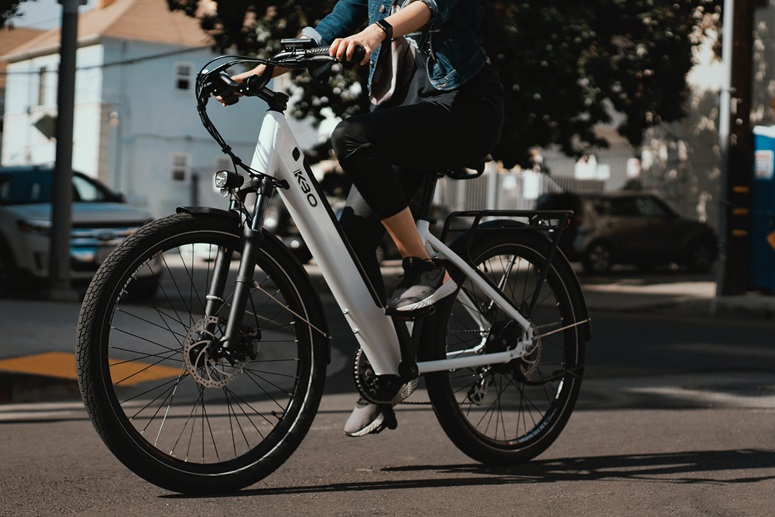
The E-Bike Regulation Wave Is Coming: What It Means for Government Agencies





© 2026 Permitium, LLC. Legal | Privacy Policy